
Nordic Energy Research has launched a new initiative aimed at strengthening energy security across all eight Nordic countries. The project, Mapping Energy Security in the Nordics, is now underway, with a final report scheduled for publication in June 2026.
Conducted by the Economic Security Forum, the project will deliver a structured assessment of how Nordic cooperation can be enhanced in response to rising geopolitical, economic, and climate-related risks.
A strategic priority for the Nordic energy cooperation
Energy security remains a central priority within Nordic energy cooperation. The project is funded by the Nordic Council of Ministers and aligns closely with the Finnish and Ålandic presidency in 2025, which emphasised comprehensive security, resilience, and preparedness. It also supports the strategic direction set by Nordic energy ministers for the 2025–2030 period.
“This project is a strategic step for Nordic energy cooperation. Energy security cuts across preparedness, resilience, and the green transition, and we need a shared Nordic understanding of where cooperation adds the most value,” says Klaus Skytte, director of Nordic Energy Research.
“By launching this mapping now, we are building a solid knowledge base for future policy decisions and more targeted Nordic action,” he adds.
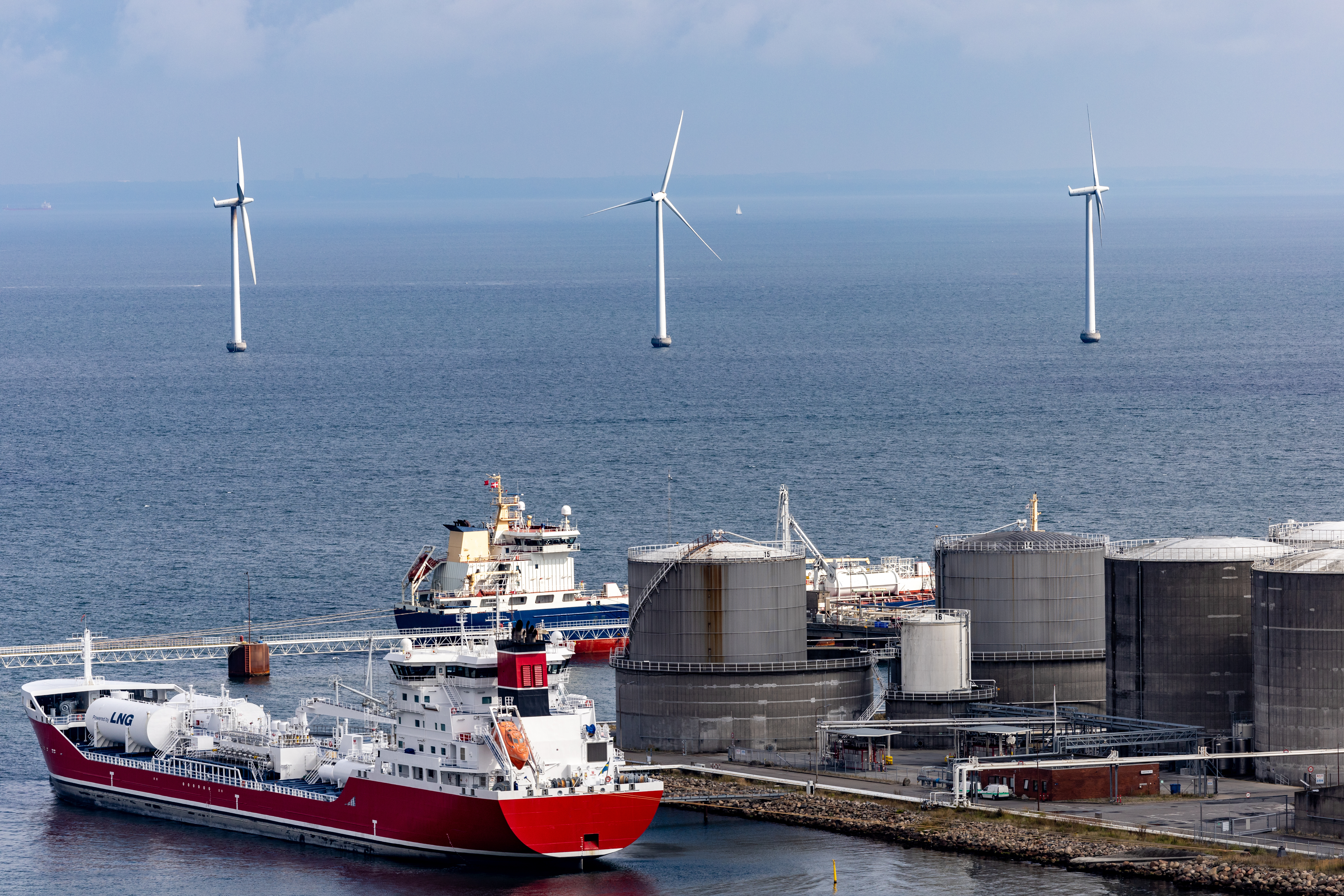
Energy security has moved to the centre of policy discussions across the Nordic region. Recent years have highlighted how exposed energy systems are to external shocks, including geopolitical tensions, threats to critical energy infrastructure, cyberattacks, supply-chain disruptions, and volatility in global energy markets.
“Energy security has become a front-line policy issue. With geopolitical tension, hybrid threats, rapid electrification, and climate disruptions converging, this is the right moment to reassess Nordic energy resilience and cooperation,” says Mikael Wigell, CEO of the Economic Security Forum and project leader.
Mapping Energy Security in the Nordics

The mapping will complement existing frameworks such as Vision 2030 and the Nordic Council of Ministers for Energy’s Cooperation Programme 2025–2030.
The project covers all eight Nordic countries: Denmark, Finland, Iceland, Norway, Sweden, the Faroe Islands, Greenland and Åland. It focuses on energy security within a civilian mandate.
Key areas of analysis include:
- Protection and maintenance of critical onshore and subsea energy infrastructure
- Resilience of fuel and spare-parts supply chains
- Increasing dependence on secure and stable electricity systems
- The evolving role of gas and fuels within Nordic and European energy systems
“Energy security today is about exposure and dependence, not just reliability and price. In a geoeconomic environment, resilience depends on how dependencies are understood and managed,” Wigell notes.
A central question for the project is how the energy transition can strengthen, rather than weaken, energy security.
“The key challenge is ensuring that electrification and decarbonisation go hand in hand with resilience, preparedness, and coordinated Nordic action,” Wigell concludes.
The project will result in a publicly available report, including policy recommendations, to be published in June 2026.
Building on regional and international insights
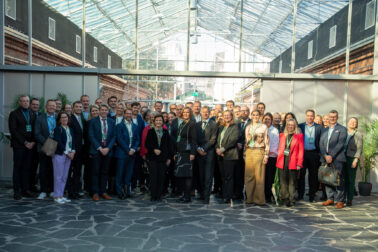
The initiative builds on discussions from a Nordic seminar on energy security held in Helsinki on 30 September 2025 and the subsequent meeting of the Nordic energy ministers. The seminar, organised by Nordic Energy Research together with the Finnish and Ålandic presidency, brought together policymakers and experts from across the region.
A keynote address by Ukraine’s minister for energy, Svitlana Hrynchuk, highlighted lessons from Ukraine’s efforts to maintain energy system resilience during wartime – offering important perspectives for Nordic preparedness and cooperation.