


Nordic Energy Research and Polar Knowledge Canada have signed a Memorandum of Understanding to strengthen transatlantic cooperation on energy solutions for Arctic and remote communities. The partnership will support knowledge exchange between the Nordics and the Canadian Arctic, with the long-term aim of providing decision-makers with actionable insights for resilient and sustainable energy systems.
Across the Arctic, communities are navigating a complex set of challenges. In addition to the intensifying impacts of climate change, reliance on imported fuels can expose communities to supply disruptions and geopolitical uncertainty. Long distances and limited infrastructure also mean many remote areas are not connected to larger power grids and thereby depend on reliable local energy solutions.
These challenges are shared across the transatlantic North. While governance structures, geography, and history differ, the Nordic and Canadian Arctic face comparable energy needs. The regions are also linked by shared values and common ambitions: to advance long-term solutions that support local livelihoods, strengthen essential services, and ensure a secure supply of clean and reliable energy.
Building energy cooperation in a changing world
For Nordic Energy Research, closer cooperation with Canada on renewable energy solutions for resilient Arctic communities has been a long-standing ambition.
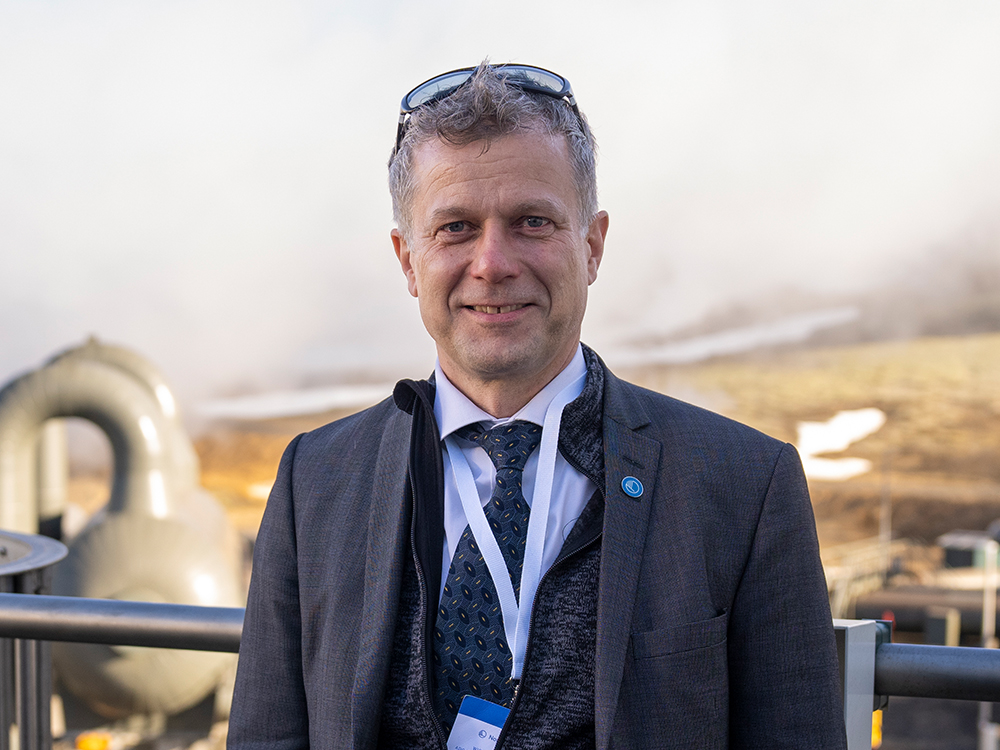
“Over the past few years, we have worked systematically to build stronger relationships with Canadian partners. Formalising our cooperation with Polar Knowledge Canada is therefore a natural next step, providing a framework for developing a joint knowledge base on how to build sustainable energy solutions in the high North,” says Klaus Skytte, CEO of Nordic Energy Research.
The Memorandum of Understanding is signed at a time of growing Nordic–Canadian cooperation at the highest political level. In a joint statement (Oslo, 15 March 2026), the Prime Ministers of the Nordic countries and Canada reaffirmed their commitment to Arctic security and to ensuring that people in the region can prosper in peace. The statement also emphasised working in partnership with Indigenous and northern communities to unlock the Arctic’s potential, mitigate the effects of climate change, and promote security.
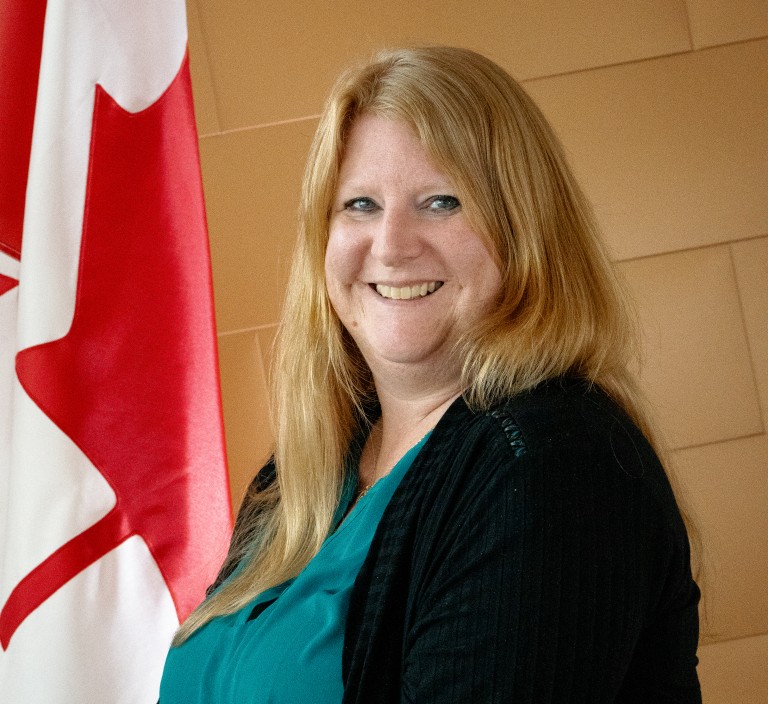
“Strong Nordic-Canadian cooperation reflects our shared commitment to a safe, sustainable, and prosperous Arctic. By working together on energy solutions for Northern regions, we strengthen our ability to meet local needs while ensuring that solutions are informed by science, respect local knowledge, and support long-term resilience for Arctic communities. Collaboration between Polar Knowledge Canada and Nordic Energy Research, support the exchange of proven approaches, aligns research priorities, and advances resilient practical solutions for Arctic communities,” says Sue Kerr, Acting President and Chief Executive Officer for Polar Knowledge Canada.
Establishing a long-term collaboration
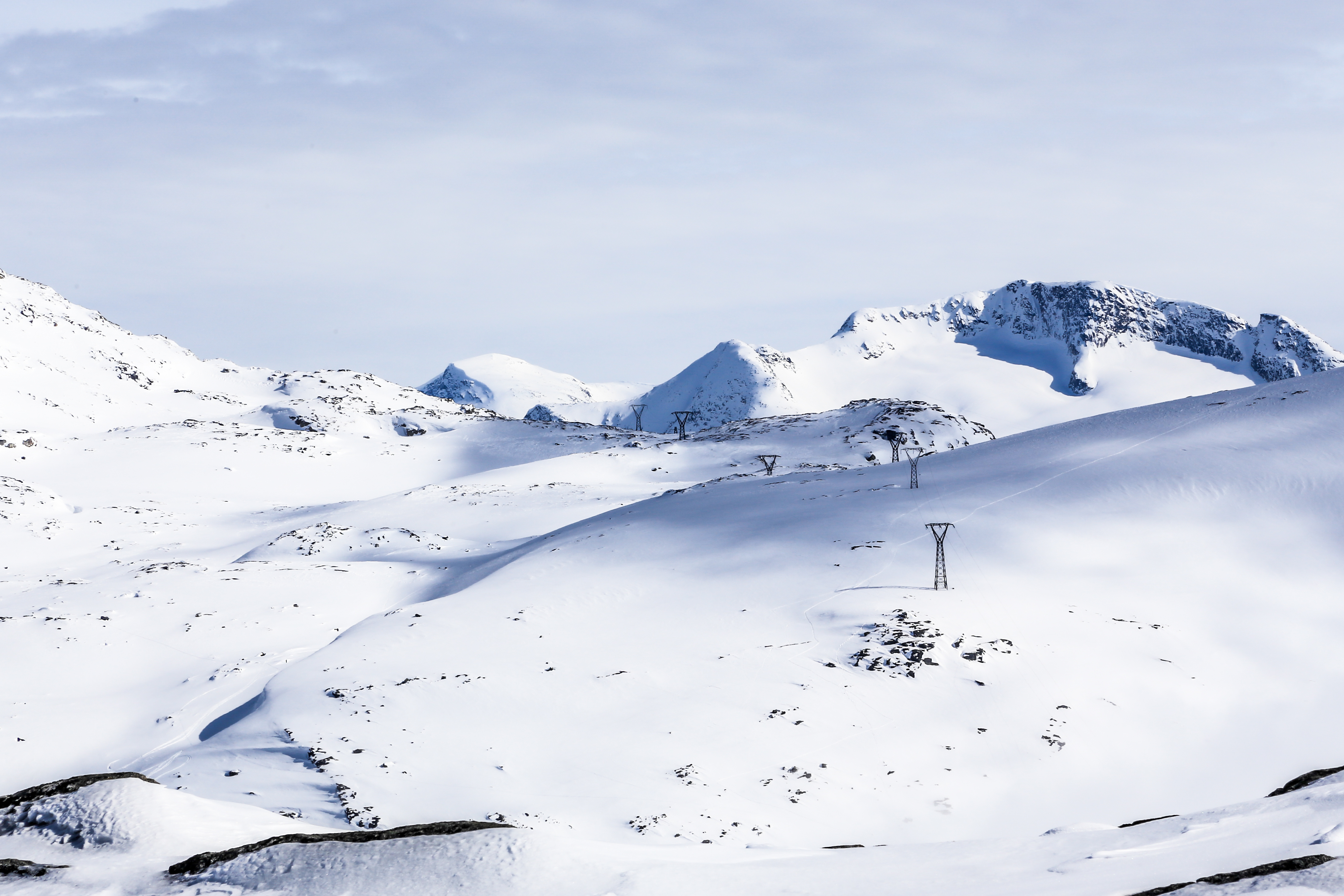
As an initial step, Nordic Energy Research and Polar Knowledge Canada are jointly funding the first phase of a scoping project to map and describe renewable energy initiatives across the Nordic and Canadian Arctic. Subsequently, the aim is to develop a case-based best-practices report with recommendations to support research and policy decisions at both national and community levels.
Throughout the work, Nordic Energy Research and Polar Knowledge Canada will engage energy actors across the polar region to ensure that the resulting knowledge base and policy guidance reflect local experience and established practice.
More information
Klaus Skytte, CEO, Nordic Energy Research
Sue Kerr, Acting President and CEO, Polar Knowledge Canada